
How a Flipping Book HTML5 can Grow your Business
Updated on: 10.08.2026
If you want to turn a static PDF into an engaging, interactive flipbook without spending hours figuring out complicated tools, a flipping book HTML5 solution is exactly what you need. In this guide, we walk you through how platforms like YUMPU Publishing make the process straightforward — and why it can genuinely help grow your digital presence.
Why HTML5 Flipbooks Are a Game-Changer for Digital Content
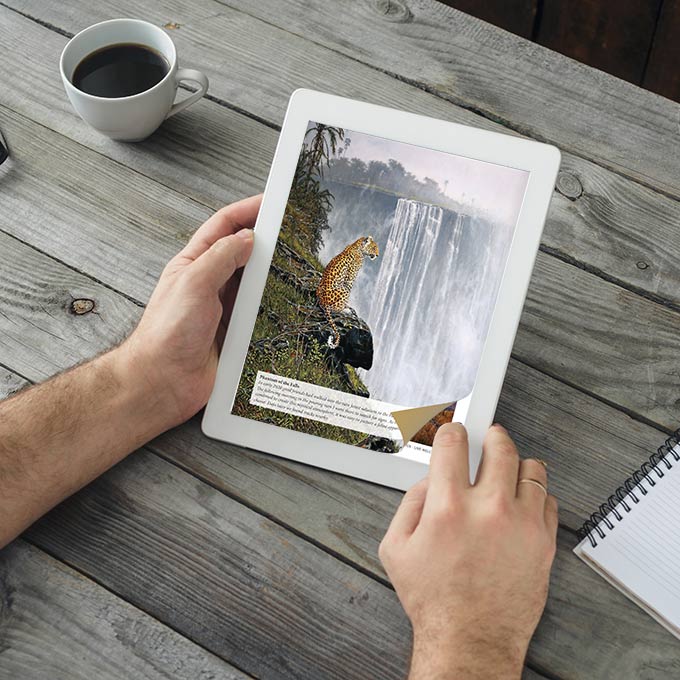
Traditional PDFs are static, hard to share effectively, and often ignored by search engines. An HTML5 flipbook changes all of that. It delivers a realistic page-turning experience that readers recognise from print magazines — but in a fully digital, mobile-friendly format. Whether you run a small business, publish a company newsletter, or manage a blog, converting your PDFs into interactive online catalogs opens up a much wider audience than a downloadable file ever could.
Beyond the reading experience, HTML5 flipbooks are indexable by Google and Bing, which means your content can actually rank in search results. They can also be embedded directly on your website, shared on social media, or dropped into an email footer — giving your material far greater reach with minimal extra effort. That is the core difference between a PDF sitting in a folder and a digital magazine creator built for the modern web.
For a solid grounding in the topic, it is worth reading up on Flipping Book HTML5 basics and best solutions before diving into any specific platform.
How to Convert Your PDF into an HTML5 Flipbook Step by Step
The conversion process on YUMPU Publishing is designed to be as straightforward as possible, even if you have never created a flipbook before. Here is how it works in practice:
Pick your PDF document. Any standard PDF works — product catalogues, company brochures, magazine issues, how-to guides, you name it.
Create a free account. If you already use social media or Dropbox, sign-up is particularly quick since YUMPU Publishing integrates with both.
Upload your PDF. Dropbox users can pull files directly from the cloud, saving an extra step.
Let the platform do the heavy lifting. Once uploaded, the software automatically converts your PDF into a 3D flipbook with a realistic page-turning effect — no design skills required.
Publish and share. Your new HTML5 flipbook gets its own URL, can be embedded on any website, and is ready to share on social channels immediately.
The whole process typically takes just a few minutes, making it one of the more practical online flipbook maker workflows available today.
How the Platform Optimises Your Flipbook for Search Engines
Creating a visually appealing flipbook is only half the battle — getting it found is the other half. YUMPU Publishing approaches this by automatically splitting large PDF documents into smaller, more digestible sections. This not only improves the reading experience (nobody wants to scroll through a 60-page document in one go), but it also helps search engines crawl and index your content more effectively.
The result is that your Flipbook PDF can rank on Google and Bing for relevant keywords, driving organic traffic to your content without any additional advertising spend. For content creators and small business owners working with limited budgets, this is a meaningful advantage. The YUMPU adFREE plan takes this a step further by removing third-party ads from your publications, keeping the focus entirely on your brand and your content.
If you want to get started right away, you can create your free flipbook now and see the conversion process for yourself.
Getting the Most Out of Your HTML5 Flipbook
Once your flipbook is live, there are several practical ways to put it to work. The most straightforward is embedding it on a relevant page of your website — this keeps visitors engaged longer and reduces the bounce rate compared to a plain PDF download link. For businesses running email campaigns, adding a flipbook preview to your email footer is a low-effort way to direct subscribers to your latest catalogue or magazine issue.
Social media sharing is another strong channel. Because HTML5 flipbooks load directly in the browser with no plugins required, a link shared on LinkedIn, Facebook or Twitter opens instantly for the reader — dramatically lowering the friction compared to asking people to download a file. This is the shift from thinking of a PDF purely as print preparation material to treating it as a living, shareable piece of digital content.
For teams that update their publications regularly — seasonal catalogues, monthly newsletters, annual reports — the ability to replace the underlying document without changing the public URL means you can keep your links consistent while always serving the most current version. That alone saves a significant amount of back-and-forth communication.
Choosing the Right Plan for Your Needs
YUMPU Publishing offers several subscription tiers depending on how seriously you want to use the platform:
Free plan: A solid starting point for individuals and small publishers who want to explore HTML5 flipbooks without any upfront investment. Ideal for testing the format before committing.
adFREE: Removes platform ads from your publications and gives you more control over branding. A good fit if you are using flipbooks for professional or client-facing materials.
WEBKiosk: Lets you organise all your publications in a single branded online kiosk under your own subdomain. Particularly useful for companies publishing multiple titles — think corporate communications departments or magazine publishers managing several issues per year.
APPKiosk: Extends the kiosk experience to native Android and iOS apps, so your readers can access your content offline or through a dedicated app. This is the top tier for publishers who want a truly polished, app-based reading experience.
The right plan depends on your publishing volume and how central digital magazines are to your overall content strategy. Starting free and upgrading as your needs grow is a perfectly sensible approach.
FAQ: Flipping Book HTML5 – Your Questions Answered
What exactly is a flipping book HTML5?
A flipping book HTML5 is a digital publication that mimics the look and feel of a physical book or magazine — complete with animated page turns — but runs entirely in a web browser using HTML5 technology. No Flash or plugins are required, making it accessible on any modern device.
Do I need design or coding skills to create one?
No. Platforms like YUMPU Publishing handle the technical conversion automatically. You simply upload your existing PDF and the software generates the interactive flipbook for you.
Can I create a flipbook for free?
Yes. YUMPU Publishing offers a free tier that lets you upload and publish HTML5 flipbooks without any upfront cost. Paid plans unlock additional features such as ad removal and branded kiosks.
Will my flipbook show up in Google search results?
HTML5 flipbooks created on YUMPU Publishing are structured to be crawlable by search engines. Splitting large PDFs into smaller sections further improves indexability, giving your content a better chance of ranking for relevant terms.
How do I share my flipbook once it is published?
Your flipbook receives a unique URL that you can share via email, social media, or messaging apps. You can also embed it directly on any webpage using a provided embed code.
Is an HTML5 flipbook compatible with mobile devices?
Yes. HTML5 flipbooks load in any modern browser on smartphones and tablets without requiring additional software. The layout typically adapts to smaller screens for a comfortable reading experience.
Can I update my flipbook after publishing it?
Yes. You can replace the underlying PDF on most plans and the public-facing URL stays the same. This means any links you have already shared will continue to point to the updated version.
What file formats can I upload to create a flipbook?
PDF is the primary and most widely supported format on YUMPU Publishing. Converting your document to PDF first before uploading is the recommended workflow.
How does a flipbook differ from a regular PDF link?
A PDF link simply downloads or opens a static file. An HTML5 flipbook opens instantly in the browser, offers an interactive reading experience, is embeddable, and is far more shareable on social media — all of which translate to higher engagement rates.
Is the flipping book HTML5 format suitable for interactive catalogs?
Absolutely. Interactive catalogs are one of the most popular use cases. The format lets readers browse products just as they would a print catalogue, while you benefit from digital reach, analytics, and easy updates — making it a smart replacement for print-heavy distribution.
Author Michael Green

For about a decade, I’ve been working on desktop and mobile websites for different companies all around the world. Every project I engage in benefits from years of experience in design, development and marketing strategy as well as a passion for staying on top of current trends.